UPI Transaction to Stay Free: Govt Big Clarification on MDR
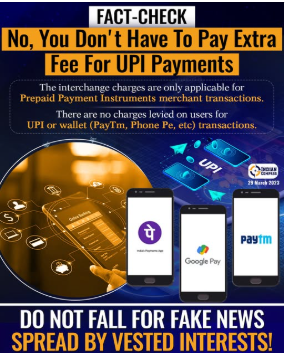
Table of Contents
UPI to Remain Free for Citizens: Govt Commitment to India’s Digital Payments Revolution
- India’s Unified Payments Interface (UPI) has emerged as one of the country’s most successful digital innovations, transforming the way individuals and businesses conduct financial transactions. From small roadside vendors and neighborhood stores to large businesses and consumers, Unified Payments Interface has become the preferred mode of digital payment across the nation.
- In response to recent discussions and speculation regarding the introduction of charges on UPI transactions, the Govt. of India has clarified that Unified Payments Interface services will continue to remain free for citizens, while efforts are being made to ensure the long-term sustainability and growth of the digital payments ecosystem.
Unified Payments Interface: A Landmark Indian Innovation
- UPI, developed by the National Payments Corporation of India (NPCI), has revolutionized digital payments by enabling instant, secure, and seamless fund transfers. Over the years, strong policy support from the Govt, continuous technological enhancements, and rapid public adoption have helped UPI become the backbone of India’s digital economy.
- Today, UPI is not only the most widely used digital payment mechanism in India but is also gaining recognition internationally as a model payment system.
Driving the Next Phase of Digital Payment Growth
- Having achieved widespread adoption in urban markets, the next phase of UPI’s growth is expected to come from increased penetration in rural and semi-urban regions. With transaction volumes growing steadily, maintaining a secure, reliable, and technologically advanced payment infrastructure requires a sustainable ecosystem for all stakeholders.
- To support future growth, proposed amendments to the Payment and Settlement Systems (PSS) framework seek to strengthen the long-term viability of the Unified Payments Interface ecosystem while ensuring that it remains Secure and trustworthy, Affordable for users and businesses, Inclusive and accessible across the country, technologically robust and resilient and Globally competitive and widely recognized
Govt Assurance: No Charges for Unified Payments Interface Users
The govt. has categorically stated that individual users will continue to enjoy free UPI services. Key assurances include the following:
- No transaction charges for consumers using the Unified Payments Interface.
- Person-to-Person (P2P) transactions will remain completely free.
- Routine digital payments by individuals will not attract any charges.
- The govt. remains committed to promoting digital payments and financial inclusion.
These clarifications have been issued to dispel concerns arising from speculation and unverified reports regarding possible fees on Unified Payments Interface transactions.
Person-to-Person Transactions Will Continue to Be Free
- The govt has specifically clarified that all person-to-person transactions conducted through UPI will remain free of charge.
- This includes sending money to family members, transferring funds to friends, splitting expenses, personal fund transfers, and other non-commercial transactions.
- For ordinary users, there will be no change in the existing experience of free digital payments.
What About Merchant Transactions?
- While consumers will not be charged, the govt. has indicated that a merchant discount rate framework may be considered in the future for a limited category of merchant transactions.
- However, the govt has emphasized that any such framework would apply only to a specified category of merchant transactions; be introduced only above prescribed transaction thresholds; carry a nominal rate; remain significantly lower than merchant discount rate charges applicable to debit and credit cards; and Be designed to support the sustainability of the payment ecosystem without burdening consumers.
- Consequently, any future MDR mechanism will not be a blanket levy on all UPI transactions.
Majority of Merchant Transactions Expected to Remain Free
- The govt. has further clarified that the vast majority of merchant transactions are expected to continue without any charges.
- If Merchant Discount Rate (MDR) is introduced in the future, it is likely to be threshold-based, selective in its application, limited to specific transaction categories, and focused on maintaining the sustainability of the digital payments ecosystem.
- This approach aims to balance infrastructure funding requirements with the continued affordability and accessibility of UPI.
Decision on Merchant Discount Rate (MDR) to Be Taken by NPCI-Led Committee
The govt. has stated that any decision regarding MDR will be considered only after the enactment of the Taxation and Other Laws (Amendment) Bill, 2026, which proposes amendments to Section 10A of the Payment and Settlement Systems Act, 2007. Following the legislative changes:
- Unified Payments Interface and Services Steering Committee, headed by NPCI, will evaluate the need for a Merchant Discount Rate (MDR).
- The committee will determine whether a merchant discount rate should be introduced.
- If implemented, the committee will decide on the applicable scope, thresholds, and rates.
Therefore, no immediate change has been proposed for consumers using UPI.
UPI’s Growing International Presence
- The Unified Payments Interface is increasingly being adopted beyond India’s borders through partnerships and cross-border payment arrangements.
- Several countries have already integrated or are exploring integration with Unified Payments Interface-based payment systems to facilitate seamless transactions.
- This growing global acceptance highlights the strength of India’s digital infrastructure and reinforces Unified Payments Interface’s position as one of the country’s most successful technological exports.
What This Means for Citizens
| Particulars | Government Position |
| Unified Payments Interface transactions by consumers | Free |
| Person-to-Person transfers | Free |
| Charges on individual users | No |
| Merchant Merchant Discount Rate (MDR) | Possible for limited transactions |
| Merchant Discount Rate (MDR) applicability | Threshold-based and nominal |
| Majority of merchant transactions | Expected to remain free |
| Objective of reforms | Sustainability and expansion of the Unified Payments Interface ecosystem |
Conclusion
- The Unified Payments Interface has evolved into a critical component of India’s digital economy and a symbol of the country’s technological progress.
- The govt. has unequivocally reaffirmed that the Unified Payments Interface will remain free for citizens, and all person-to-person transactions will continue without charges.
- While policymakers are examining measures to ensure the long-term sustainability of the digital payments ecosystem, any future Merchant Discount Rate (MDR) framework will be limited, carefully structured, and targeted primarily at select merchant transactions.
- The overarching objective remains to preserve UPI’s affordability, inclusiveness, security, and global competitiveness.
- As India enters the next chapter of digital payment growth, Unified Payments Interface will continue to serve as the nation’s flagship payment platform, enabling seamless transactions for millions while strengthening India’s position as a global leader in digital financial innovation. For ordinary users, the message is straightforward:
Particulars Government Position Unified Payments Interface payments by consumers Free Person-to-Person transfers Free Charges on users No Merchant Discount Rate on merchant transactions Possible, but limited Merchant Discount Rate applicability Threshold-based and nominal Majority of transactions Expected to remain free IFCCL is a Professional firm in India and in case we are looking for services, then please contract on 9555 555 480 or singh@carajput.com
**********************************************************
If this article has helped you in any way, i would appreciate if you could share/like it or leave a comment. Thank you for visiting my blog.
Legal Disclaimer:
The information / articles & any relies to the comments on this blog are provided purely for informational and educational purposes only & are purely based on my understanding / knowledge. They do noy constitute legal advice or legal opinions. The information / articles and any replies to the comments are intended but not promised or guaranteed to be current, complete, or up-to-date and should in no way be taken as a legal advice or an indication of future results. Therefore, i can not take any responsibility for the results or consequences of any attempt to use or adopt any of the information presented on this blog. You are advised not to act or rely on any information / articles contained without first seeking the advice of a practicing professional.